Transparent Font: A Modern Handwritten Design Asset
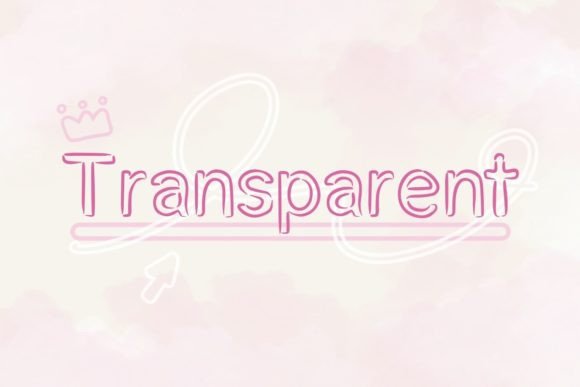
In the crowded landscape of digital design, a font that captures attention while maintaining clarity is a rare find. Transparent is a handwritten font that uses unconnected lines to create a distinct, airy look, offering designers a fresh tool for projects that demand personality without sacrificing professionalism. Its unique construction, with space intentionally left within the letters, creates an optical effect that makes the letterforms appear thicker and more substantial, a clever solution for achieving visual weight in a delicate style.
This characteristic makes Transparent more than just another script typeface; it's a strategic creative asset. In modern graphic design, where brand identity and visual communication are paramount, the right typography can set the tone for an entire project. Transparent excels in this role, providing a human touch that feels both contemporary and approachable. Its unconnected lines suggest movement and authenticity, ideal for brands aiming to appear friendly, creative, or artisanal.
Practical Applications Across Creative Projects
The versatility of Transparent allows it to shine across a wide array of applications, making it a valuable addition to any designer's toolkit. Its ability to blend whimsy with structure supports various design goals.
- Branding and Logo Design: Use Transparent to craft logos, wordmarks, or brand names that need a personal, crafted feel. It's particularly effective for businesses in creative fields, lifestyle coaching, boutique retail, or artisanal food products, helping to establish a memorable brand identity.
- Marketing and Social Media Content: From Instagram posts to Facebook banners, Transparent adds a dynamic, eye-catching element to digital marketing. Its clear legibility at various sizes ensures messages are communicated effectively, boosting user engagement in fast-scrolling environments.
- Editorial and Web Design: As a display font, it can create compelling headlines, pull quotes, or section headers in magazines, blogs, and website hero sections. This contributes to a strong visual hierarchy, guiding the reader's eye and enhancing the overall user experience (UX) and interface (UI) design.
- Packaging and Merchandise: The font's distinctive look translates beautifully to physical products. Imagine it on coffee cup sleeves, tote bags, greeting cards, or apparel. For packaging design, it can convey a sense of handmade quality and care, differentiating a product on the shelf.
- Presentations and Digital Products: Elevate slide decks, e-books, and digital worksheets with a font that feels modern and engaging. It helps avoid the sterile, corporate look of default fonts, making presentations more visually appealing and memorable.
Integrating Transparent into Your Design Workflow
Effectively using a font like Transparent requires more than just applying it; it demands thoughtful integration into your broader design system. Consider these factors to maximize its impact.
First, consistency is key. Define clear rules for where and how Transparent will be used—perhaps only for primary headlines or specific call-to-action phrases—to maintain a cohesive visual language. Second, evaluate readability. While it's designed for clarity, always test the font in context, especially against busy backgrounds or at smaller sizes on mobile screens. Third, think about color palette compatibility. Transparent's clean lines work well with both bold and muted colors. Experiment with changing the font color to match different brand palettes or seasonal campaigns, a feature that greatly enhances its utility.
When pairing Transparent with other typefaces, opt for a clean, simple sans-serif or serif font for body text. This creates a balanced contrast, allowing the handwritten font to stand out as a focal point without overwhelming the layout. This pairing is fundamental to establishing a polished professional presentation in any medium, from a full-scale advertising campaign to a simple social media graphic.
Ultimately, the choice of creative assets like Transparent reflects a commitment to quality and attention to detail. In a world where visual communication is constantly evolving, leveraging unique typography is a powerful way to cut through the noise. By thoughtfully incorporating such elements into your projects, you not only enhance the aesthetic appeal but also strengthen the communicative power of your designs, ensuring your message is not just seen, but felt and remembered.