Penelope: The Quirky Sans-Serif Font
In a world saturated with clean, predictable typography, finding a typeface with genuine personality can feel like striking gold. Enter Penelope, a sans-serif font that deliberately steps outside the box, offering designers a tool to inject immediate character and whimsical charm into their work. It’s a typeface that doesn’t just convey words; it communicates a mood, making it a valuable asset for creative projects that dare to be different.
Understanding Penelope's Design Philosophy
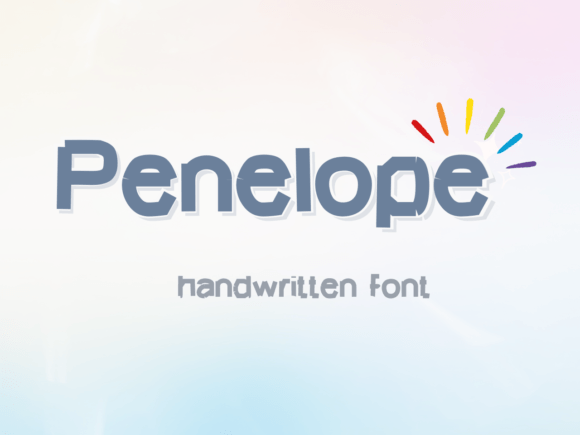
Penelope is defined by its unconventional letterforms. Unlike rigid geometric or humanist sans-serifs, its characters dance with subtle irregularities—perhaps a slightly off-kilter baseline, a uniquely curved terminal, or a playful proportion. This design choice isn't about sacrificing legibility for novelty. Instead, it’s a strategic embrace of visual design that prioritizes emotional resonance and distinctiveness. In modern graphic design, where standing out is paramount, a font like Penelope becomes a secret weapon for creating memorable visual communication.
Where Penelope Truly Shines: Practical Applications
The true value of a creative asset is measured by its utility. Penelope’s quirky charm is incredibly versatile, enhancing a wide array of projects across both digital and print mediums.
- Branding & Logo Design: For brands targeting a youthful, artistic, or innovative audience, Penelope can form the core of a brand identity. It works beautifully for boutique shops, creative studios, indie publications, or artisanal product lines, helping to establish a friendly and approachable persona that feels authentic.
- Marketing & Social Media: In the fast-paced scroll of digital feeds, Penelope helps graphics stop thumbs. Use it for social media graphics, email headers, or advertising campaigns to convey a sense of fun, creativity, and approachability, boosting user engagement through its distinctive look.
- Editorial & Packaging Design: In editorial design, Penelope can highlight pull quotes, chapter headings, or feature titles, adding a layer of visual interest that guides the reader's eye. For packaging design, it can make a product feel more personal and crafted, telling a story on the shelf before a word is even read.
- Digital & Web Interfaces: When used judiciously, Penelope can enhance UI design for apps, websites, or digital products. It’s particularly effective for call-to-action buttons, short headings, or onboarding screens where a touch of personality improves the overall user experience without compromising core functionality.
Integrating a Characterful Font into Your Design Workflow
Adopting a font with strong personality like Penelope requires thoughtful implementation to ensure it enhances rather than overwhelms. Consider these practical tips:
- Prioritize Hierarchy and Readability: Use Penelope for headlines, subheadings, or short bursts of emphasis. Pair it with a more neutral, highly readable body font to maintain visual hierarchy and ensure your message is clear. This contrast is a fundamental principle of strong typography.
- Audience Alignment is Key: Always evaluate if the font’s character aligns with your target audience and project goals. A whimsical font is perfect for a children’s brand or a creative portfolio but may undermine the seriousness of a corporate financial report.
- Test for Scalability and Context: View your design at various sizes and in its intended context—on a mobile screen, in a printed brochure, on a billboard mockup. Ensure the font’s details remain effective and legible across all applications.
- Build a Cohesive System: Integrate Penelope within a broader design system. Define its usage rules alongside your color palette, imagery style, and other typographic elements. Consistency across all touchpoints strengthens brand identity and professional presentation.
Ultimately, the choice of typography is a critical design decision that influences perception, emotion, and clarity. Assets like Penelope offer more than aesthetic appeal; they provide a means to craft a unique voice and visual language. By selecting creative resources that align with your strategic goals and applying them with intention, you elevate your work from merely functional to truly compelling, ensuring your designs not only capture attention but also communicate with depth and personality.