Flute: A Playful Typeface for Musical Branding
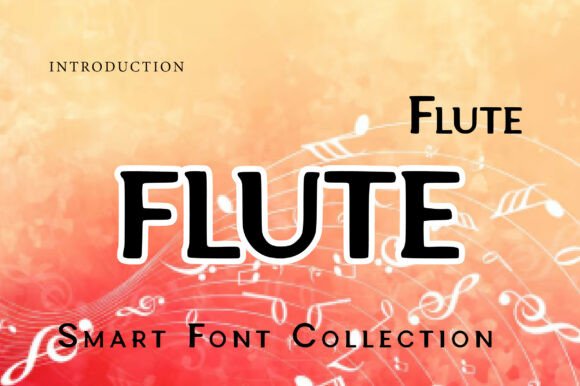
Every great design needs a voice, and sometimes that voice is a melody. The Flute typeface captures this perfectly, offering a playful and artistic display font that feels as if it’s dancing across the page. Inspired by the movement and soul of music, its unique, rhythmic letterforms inject immediate personality and energy into any visual project, making it a standout tool in a designer’s creative arsenal.
Why Rhythmic Typography Matters
In modern graphic design, typography is a fundamental pillar of visual communication. It’s not just about legibility; it’s about evoking emotion and setting a tone. A font like Flute, with its bold presence and slightly whimsical terminals, creates an instant emotional connection. This makes it invaluable for projects where you need to convey joy, creativity, and approachability, helping to strengthen brand identity and improve user engagement through pure visual charm.
Practical Applications for the Flute Typeface
Its versatile, friendly aesthetic makes Flute suitable for a wide array of creative projects. Consider its impact when designing for audiences that appreciate warmth and imagination. It pairs beautifully with vibrant color palettes and abstract shapes, creating a visual symphony that captures attention instantly.
- Branding & Logo Design: Perfect for crafting memorable logos for creative studios, music schools, children’s brands, or community festivals. Its character helps build a friendly and approachable brand identity.
- Marketing Materials: Use it for headlines on concert posters, flyers, and brochures. The bold letterforms ensure your message is seen, while the playful style keeps it engaging.
- Social Media & Digital Content: Create eye-catching thumbnails, Instagram graphics, and upbeat promotional posts that stand out in a crowded feed.
- Packaging & Editorial Design: Bring a melodic feel to product labels, book covers, or magazine spreads, especially those targeting kids or creative audiences.
Tips for Effective Implementation
Integrating a display font like Flute into your design workflow requires thoughtful application to maintain professionalism and readability. Here are key considerations:
- Visual Hierarchy: Use Flute primarily for headlines, titles, or short, impactful callouts. Its decorative nature is best showcased in larger sizes. Pair it with a clean, neutral sans-serif or serif font for body text to ensure a balanced and readable layout.
- Audience & Context: Always align your typographic choices with audience expectations. Flute excels in contexts that value creativity and fun, such as children’s books, event promotions, or lifestyle branding, but may not suit ultra-corporate or minimalist formal designs.
- Color & Composition: Amplify its personality by pairing it with a warm, vibrant color palette. Consider how the letterforms interact with other graphic elements like illustrations or geometric shapes to create a cohesive and dynamic composition.
Ultimately, the tools you choose define the quality of your work. Selecting a typeface like Flute is about more than just aesthetics; it’s about choosing a voice that resonates with your project’s core message. Thoughtful design choices, anchored by high-quality creative assets, are what transform good ideas into compelling visual stories that truly connect with their audience.